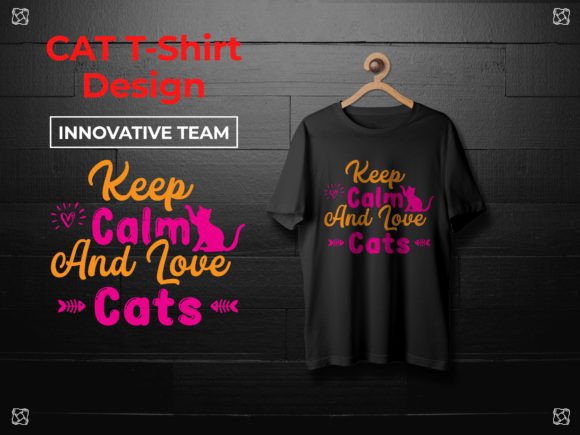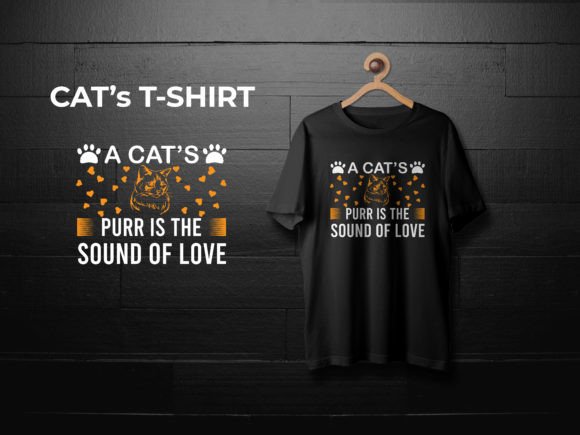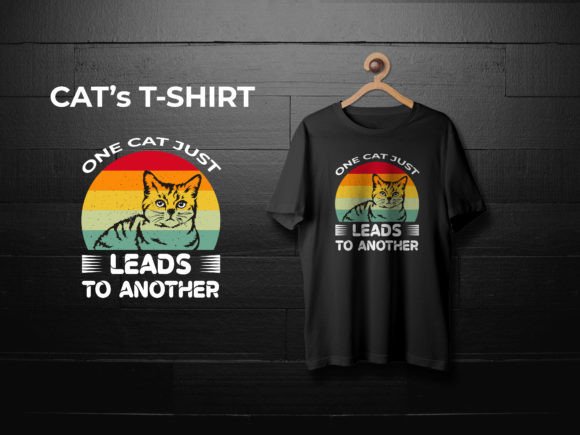
Cat T-Shirt-53: A Designer's Review for Your Next Project
When a new embroidery file lands in my library, my first question is always, "What kind of project does this want to become?" Looking at Cat T-Shirt-53, that question has a clear answer. This design feels like it belongs on something cozy, personal, and loved. The friendly, straightforward nature of the cat motif suggests it’s perfect for gifts, everyday wear, and items meant to evoke a warm, approachable feeling.
The Personality and Practical Mood of This Design
The first impression is charming without being overly intricate. This isn't a hyper-detailed portrait; it’s a graphic with a clear, recognizable shape that promises good stitch clarity. For an embroidery designer, that’s a great starting point. It creates a mood of casual affection—think of a favorite weekend sweatshirt or a personalized tote bag for a cat-loving friend. The layout is centered and balanced, which makes it versatile for placement on various products. The detail level appears manageable, meaning it should translate well into stitches without requiring excessive thread changes or creating overly dense areas that could challenge lighter fabrics.
Where Cat T-Shirt-53 Shines in Real Projects
I immediately picture this on a soft cotton sweatshirt or a canvas tote bag. The design’s personality aligns perfectly with custom apparel and handmade products meant for daily use. For a small business owner stocking their Etsy shop, this could be a reliable piece for a line of embroidered patches or baby clothes for a nursery collection. It’s the kind of graphic that would work beautifully as a single, focal point on a pillow cover or a kitchen towel—items that benefit from a simple, cheerful accent.
Consider a real scenario: you’re preparing a custom order for a client who wants a personalized gift for a friend’s birthday. They’ve requested an embroidered denim jacket patch. Cat T-Shirt-53, with its clear outlines, would be a strong candidate. It would stitch out cleanly on the thicker fabric, and the result would feel intentional and professional, boosting customer trust in your craftsmanship. Similarly, for a craft fair, stitching this onto a series of affordable tea towels or aprons creates cohesive, giftable merchandise that appeals to a broad audience.
Navigating the Considerations for Clean Results
While the design appears adaptable, its successful application depends on mindful execution. The category listed is Print Templates and Graphics, so as an embroidery file, it’s crucial to verify the specifics before loading it into your machine. Always check the provided details for stitch count, recommended hoop size, and file formats compatible with your equipment.
Fabrics and Applications That Demand Care
Given its likely composition, I would approach certain projects with caution. On very thin fabric like a fine t-shirt or stretchy fabric like athletic knit, the overall stitch density needs to be assessed to prevent puckering or fabric distortion. If there are small, enclosed details within the design, they might get lost or require perfect tension on textured fabrics like linen or on curved surfaces like caps. Stitching on dark fabric backgrounds requires a thoughtful thread color contrast plan to ensure the design pops.
For products that will undergo frequent washing, like baby blankets or everyday kitchen towels, a well-digitized design with secure stitches is key. This is where testing is non-negotiable.
Professional Notes for Your Embroidery Process
My standard practice, which I recommend for any design like Cat T-Shirt-53, involves a few essential steps. First, test the design on scrap fabric that matches your final project material. This reveals everything: how the fill stitches or satin stitches lay, whether small details like potential whiskers remain clear, and how the design interacts with your chosen stabilizer. Second, run it through a black and white mockup to evaluate its form independently of color, and compare how it looks on both light and dark background simulations.
This process directly impacts the final product's visual appeal and professionalism. For a craft business, consistency in quality across items—from a simple tote bag to a more complex embroidered sweatshirt—builds brand consistency and buyer engagement. A clean, well-executed stitchout of this cat design makes the finished product feel valuable and intentional.
Thinking Beyond the Stitch: Licensing and Commercial Use
A critical point for digital product sellers and creative entrepreneurs is licensing. The product description mentions use for yourself, friends, family, or anyone supporting your special day. This language needs clear interpretation. Before selling any finished product or using the design in commercial embroidery projects for your small shop, you must confirm the specific license terms. Does it allow for physical product sales? Is it suitable as a digital embroidery file asset for resale? Never assume. Clarifying this protects your business and respects the designer’s work.
Cat T-Shirt-53 has the potential to be a versatile, reliable asset in your design library. Its friendly aesthetic fits a wide range of embroidery projects, from personalized gifts to small shop merchandise. By approaching it with a professional’s practical mindset—testing thoroughly, choosing appropriate applications, and verifying all technical and legal details—you can transform this graphic into a stitched product that delights you and your customers.