A Designer's Review of a Popular Cat T-Shirt Embroidery Design
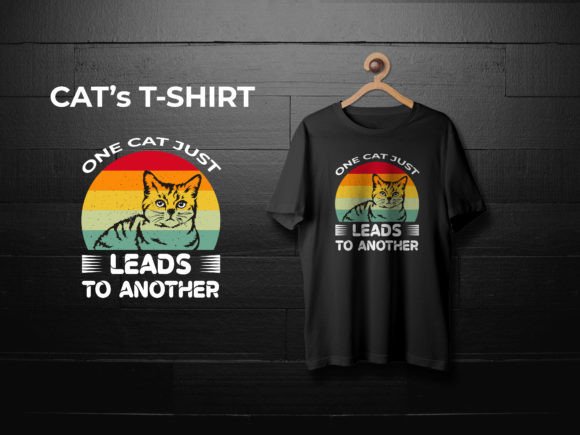
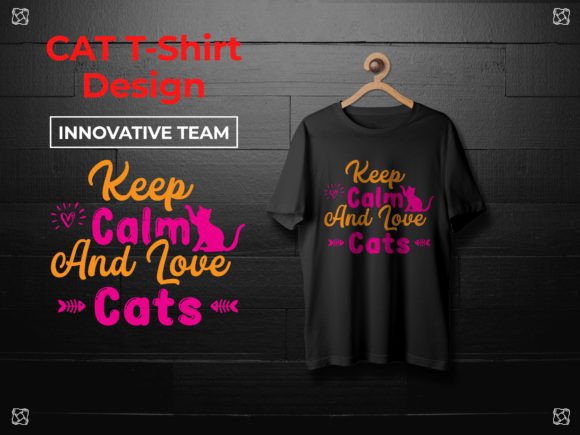
From my desk, surrounded by thread spools and fabric scraps, I look at this CAT T-SHIRT DESIGN not just as a digital file, but as a potential finished product. My first job is to judge whether it’s worth the time, materials, and hoop space for a real embroidery project. Let’s walk through that practical evaluation.
The Immediate Mood and Where It Naturally Belongs
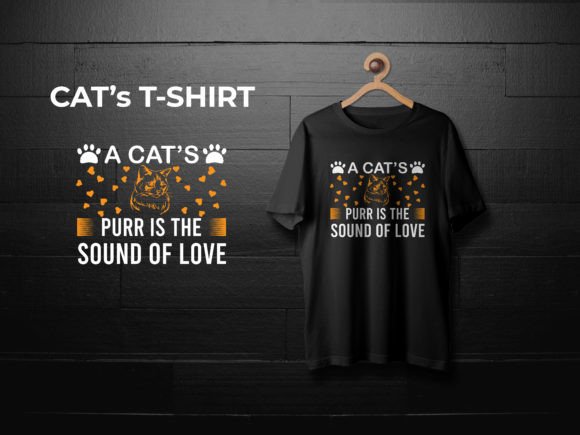
The first impression is crucial. This design, with its clear cat motif, creates a playful, friendly, and universally appealing mood. The layout feels balanced and approachable—it’s not overly complex or trying to be too clever. This visual personality makes it a natural fit for gifts and everyday merchandise. I instinctively picture it on a child’s sweater, a cozy kitchen towel for a cat-loving friend, or a simple tote bag for a boutique. It’s a design that doesn’t demand attention but warmly invites it.
Thinking Through Specific Project Scenarios
I’m imagining a specific real-life scenario: preparing a custom embroidered sweatshirt as a holiday gift. How would this CAT T-SHIRT DESIGN look after stitching? On a mid-weight cotton sweatshirt, the clean shapes would translate well into satin stitches or fill stitches for the main body. The design’s simplicity means it won’t get lost in the texture of the fabric. For a baby item, like a little bib or blanket, its gentle theme would work perfectly, provided the stitch density is adjusted for softer fabrics. As a small business owner creating products for a craft fair, this design offers a safe, popular choice that’s easy to produce repeatedly and has broad appeal.
Performance Across Real Embroidery Applications
Let’s break down how this embroidery file might perform across different applications, which is the core of a practical review.
For custom apparel like t-shirts and sweatshirts, the key will be stabilizer choice. On stretchy fabric, a good stabilizer is non-negotiable to prevent puckering. For tote bags or aprons made from canvas or linen, this design would be a winner—the firmer fabric handles the stitches well, and the theme fits the casual, utilitarian nature of those items. Transforming it into an embroidered patch is also a strong possibility; the defined edges would make for a clean patch that could be applied to caps or jackets.
Consider also home decor: a pillow cover in a nursery or a simple pillow in a living room. The design adds a personal touch without being overwhelming. For kitchen towels or tea towels, it becomes a charming, functional accent. In all these cases, the design’s strength is its versatility and clear, recognizable subject, which boosts customer trust and product value because the final handmade product looks intentional and well-executed.
Where Caution is Needed: The Designer's Practical Notes
No design is perfect for everything. Here’s where I’d advise careful use.
- Small hoop sizes: If the design is large or has many small details, trying to squeeze it into a tiny hoop for a baby cap might compromise clarity. Test it on scrap first.
- Dark fabrics: The thread color contrast is paramount. On a black sweatshirt, you’ll need to choose bright, contrasting threads so the cat shape doesn’t vanish.
- Very thin or textured fabrics: A high stitch density could cause the fabric to bunch or the design to look muddy. Always match the design’s potential density to your fabric.
- Curved surfaces: On a baseball cap, the design’s layout might need to be adjusted or positioned carefully to look centered and correct on the curved plane.
The stitch clarity is everything. Before committing to a client project, I always run a test on a similar scrap fabric, checking how small details hold up and whether the fill stitches look solid and clean. This step is what separates a professional result from a disappointing one.
Impact on Your Business and Craft
Beyond the stitch itself, using a design like this affects your work’s broader appeal.
For Etsy sellers and digital product sellers, this design as a printable mockup or as part of a digital embroidery file bundle can be a reliable asset. It’s a classic theme that sells. For personalized gifts, it’s highly giftable—people understand and appreciate it immediately. That recognition is powerful.
It also supports brand consistency if you’re a maker focused on whimsical, animal-themed products. A series of items featuring this clean cat design would feel cohesive on your shelf at a market or in your online shop photos. The professionalism comes from how you execute it. A clean, well-embroidered version of this design on a tote bag speaks volumes about your skill and care, directly influencing buyer engagement.
Essential Pre-Use Checklist for the Working Designer
Before this design goes into any hoop for a real project, my internal checklist runs like this:
- Always test the design on scrap fabric identical to the final project fabric.
- Review it in both light and dark fabric background mockups, even simple black and white digital previews, to judge contrast.
- Confirm the actual hoop size requirement and that your machine can handle it comfortably.
- Inspect any potential tiny lettering or detailed corners in the file—will they stitch out clearly or become a blur?
- Check the licensing terms. Is it for personal use only, or can it be used for commercial embroidery projects where you sell the finished items? This is a critical step for small shop owners and craft businesses.
- Plan your thread colors. Sometimes the suggested palette might not work on your specific fabric; have alternatives ready.
Remember, the product category here is listed as Print Templates and Graphics. This means the core file is a digital graphic. For embroidery, you or your digitizer would need to translate this into a proper embroidery file format. That translation process is where decisions about stitch types, density, and underlay happen—all of which will determine the final look on your sweatshirt, tote, or baby blanket.
Final Judgment: A Solid Choice for Certain Projects
My final take, from the point of view of someone who has to deliver real, stitched products: this CAT T-SHIRT DESIGN is a solid, reliable choice for projects where a cheerful, straightforward animal motif is desired. It’s not overly complex, which makes it manageable for a variety of fabrics and applications. Its greatest asset is its universal appeal, which translates directly into product salability and gift satisfaction.
Its success, however, hinges entirely on your preparation. The design itself won’t magically produce a perfect embroidered pillow cover. Your choice of stabilizer, thread, fabric, and careful testing will bring it to life. For the small business owner looking to add a popular item to their line, or the crafter making a special gift for a cat-loving friend, this design provides a strong, workable foundation. Just remember to treat it as a starting point, not a guarantee, and put your professional skills into the execution. That’s how good digital files become great finished products.