Reviewing Witch Graphics for Real-World Embroidery Projects
In our world of custom apparel and handmade goods, a design file isn’t just a digital asset—it’s the blueprint for a physical product. When I assess a design like Witch Graphics, my primary concern isn’t how it looks on screen, but how it will translate into thread and fabric. This review is a practical evaluation from the perspective of someone who will actually stitch it out, use it for client work, or incorporate it into a line of small shop merchandise.
The First Impression: Mood, Theme, and Visual Personality
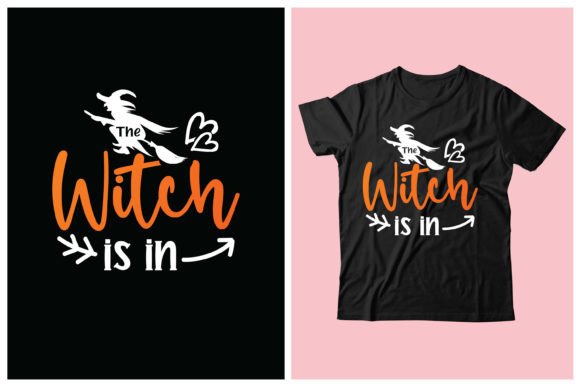
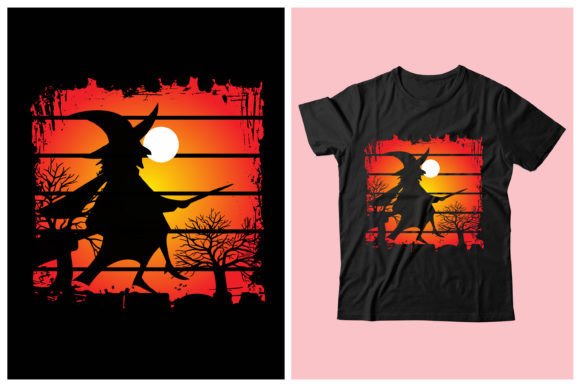
Witch Graphics immediately evokes a certain mood. It carries a distinct, playful, and perhaps slightly mystical personality. For embroidery designers and craft business owners, this initial vibe is critical. It tells you what kind of customer would gravitate towards it and what kind of project it naturally belongs to. The shapes and layout suggest a design that could be versatile—not overly aggressive or delicate, but with a character that fits well on everyday items. My first thought is that this isn’t a corporate logo; it’s for personal expression, gifts, and niche markets. The detail level as described by its vector nature suggests it could be resized, which is a huge plus, but the real test is how those details hold up when converted into stitches.
Where Witch Graphics Excels in Real Embroidery Situations
Let’s walk through a real-life scenario. Imagine preparing a custom embroidered tote bag for a boutique or a themed sweatshirt for an Etsy listing. Witch Graphics, with its presumably bold shapes, would likely translate well onto these larger, stable surfaces. The potential for color change, as mentioned, is a practical advantage. Being able to adapt the palette for a dark or light garment means one design file can serve multiple fabric backgrounds, saving time for digital product sellers and apparel decorators.
For projects like baby clothes (think a fun, softened version for a nursery item), aprons, or pillow covers, the theme could be a charming addition if the stitch execution is clean. On caps or hats, the curved surface requires careful consideration—the design’s complexity and density would need to be checked to ensure it doesn’t pucker or lose clarity on the crown. As a professional, I’d instinctively consider Witch Graphics for holiday gifts, perhaps a kitchen towel or a cozy blanket, where its personality adds a personalized touch. For patches, the design’s edges and internal detail would be paramount; a clean satin stitch border and manageable fill stitch areas would make it a successful standalone embroidered patch.
Considering the Customer’s Perspective
When a crafter or small business owner uses a design, the end product’s visual appeal directly impacts customer trust and product value. A well-embroidered Witch Graphics design on a sweatshirt should look intentional and professional. The stitches should be clear, the colors should have good contrast against the fabric, and the overall presentation should feel cohesive. This enhances the handmade presentation and boosts giftability. For a creative entrepreneur, using a consistent, well-executed design across a product line—like on a series of tote bags and tea towels—can strengthen brand consistency and buyer engagement.
Caution Areas: Where to Use Witch Graphics Carefully
No design is universally perfect. Here’s where a practical, realistic mindset is crucial. The promise of 100 vector shapes being re-sizable is fantastic, but in embroidery, scaling down is a trapdoor. If you intend to hoop this design at a small size for, say, a delicate baby item or the corner of a pocket, you must inspect the small details. Tiny lettering, if present, or intricate corners could become a muddled mess of thread. Stitch density needs to be appropriate; too dense on thin or stretchy fabric like a t-shirt can lead to stiffness and distortion.
Dark fabrics, while mentioned as adaptable, require specific thread color choices to maintain visibility and impact. Layered garments or textured fabrics like certain blankets might demand specific stabilizers to keep the design flat. Embroidering on curved surfaces like caps demands a design that’s not overly wide or tall to fit the hoop area comfortably. These are the practical hurdles an experienced designer thinks through before loading the embroidery file.
Practical Notes for the Embroidery Designer
Before committing Witch Graphics to a client project or your craft fair inventory, follow these observational steps. They are born from real project use, not theory.
- Test on Scrap Fabric First: Always stitch out the design on a scrap piece of the actual fabric you plan to use. This reveals everything: thread tension issues, how fill stitches look, and whether small elements are clear.
- Check Color Contrast: Run the design in both your planned light and dark thread schemes. See how it reads. Does it pop or fade?
- Review for Density and Detail: Look closely at the stitch output. Are there areas so dense they might make the fabric rigid? Are any details too fine to register clearly?
- Confirm Your Hoop Size: Ensure the design dimensions work within your machine’s hoop capabilities for the target product. A tote bag might need a large hoop, a cap a specialized one.
- Use Proper Stabilizer: Match your stabilizer to the fabric and the design’s stitch load. This is non-negotiable for a professional finish.
- Check Licensing Thoroughly: The product description mentions use for websites and POD stores. Before selling finished items or using it as a commercial embroidery asset, confirm the licensing terms explicitly. Never assume.
- Consider Mockups: Creating printable mockups or digital product previews with the embroidered version can help visualize the final product for your shop listings.
The Final Stitch: Value Beyond the File
Witch Graphics, as a piece of digital art, is a starting point. Its real value is determined by how it performs in the physical world of embroidery projects. For the machine embroidery designer, small business owner, or crafter, its success hinges on practical execution. Does it stitch out cleanly on a variety of products? Does it resonate with your audience when sewn onto a handmade item? Does it allow for the customization your clients desire? My assessment leans on its described versatility, but cautions about the universal need for real-world testing. A design like this could become a staple for holiday gifts, boutique product lines, or personalized products if the technical translation from vector shape to stitch path is sound. Your job, as the maker, is to bridge that gap with skill and preparation, turning Witch Graphics from a screen graphic into a cherished, tangible finished product.