A Designer's Look at the Nail Tech SVG Bundle for Embroidery
As someone who reviews and uses countless design bundles for real client projects, I approach new files with a practical eye. My first question is always: how will this actually look when stitched? Today, I'm thinking through the Nail Tech SVG Bundle, imagining it on a hoop, on fabric, and finally, on a finished product.
The First Impression: Clean, Playful, and Professionally Themed
The theme here is clear and well-executed. It creates a mood of playful professionalism, perfect for a niche audience. The shapes and layouts I envision from the bundle description suggest clean lines and recognizable icons associated with nail care. This isn't a overly fussy or dense design; it has a visual personality that's modern and friendly. It feels like it belongs on products for nail technicians themselves, their clients, or anyone who loves a manicured aesthetic. My mind immediately goes to custom apparel for a small salon owner or personalized gifts for a stylist.
Where This Design Bundle Shines in Real Projects
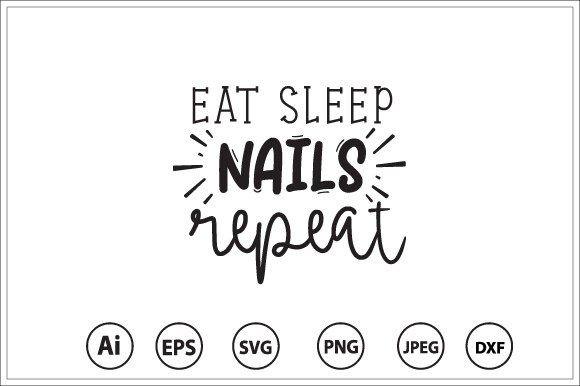
This bundle isn't a one-trick pony. The provided formats—SVG, DXF, PNG, EPS, Ai—mean it's adaptable. For embroidery, the vector files are key. I can see this working beautifully on a embroidered patch for a salon apron or a tote bag. It would be a charming, subtle logo on a baby embroidery item for a nail-tech mom, like a little bib or blanket. For a craft business focusing on niche gifts, it could be stitched onto a pillow cover or a kitchen towel as a fun, thematic decor piece.
The clean lines imply it will translate well into satin stitch for borders and fill stitch for larger areas without becoming too dense. This is crucial for comfort on t-shirts and sweatshirts. For Etsy sellers or creative entrepreneurs, this bundle offers a ready-made design asset that can be used across products: from actual embroidered tote bags sold at a craft fair to digital product previews and printable mockups for your online listings. That versatility builds brand consistency.
The Practical Considerations for Stitching Success
Confidence in a design comes from knowing its limits. With a theme like this, likely involving tools or small icons, the stitch density and small details need attention. On a curved surface like a cap, very fine details might lose clarity. Textured fabrics or dark fabric backgrounds will demand high contrast in thread colors to keep the design crisp.
I would advise caution on very small hoop sizes. If the design elements include tiny lettering or intricate corners, scaling it down too much could lead to a muddy, unclear stitchout. Always test the design on scrap fabric first, using the same stabilizer and material you plan for the final project. This is especially important for thin fabric or stretchy fabric to prevent puckering.
Boosting Product Value and Customer Trust
Using a well-made design like this elevates your finished product. The clean, professional theme suggests care and specificity, which increases visual appeal and giftability. A customer receiving a personalized embroidered patch with this design recognizes the thought behind it—it’s not a generic graphic. For a small shop product, this builds customer trust and professionalism. It shows you understand your audience’s world.
The handmade presentation becomes more cohesive. Whether it’s a holiday embroidery gift for a friend or commercial embroidery for a boutique’s merchandise, the design’s clarity directly affects stitching clarity and, ultimately, buyer engagement. A clean stitchout looks professional and durable, reassuring the buyer that the item is worth their money.
Essential Notes for the Embroidery Designer
Before you commit this design to a client’s order or your own craft business inventory, run through a practical checklist. First, check thread color contrast. How does it look on both light and dark backgrounds? Create black and white mockups to evaluate the form without color bias.
Review the stitch density in your software preview. Are there areas that might be too thick for a comfortable tee? Confirm your hoop size is adequate to capture all details cleanly. Most importantly, inspect the small details. Open the files and look at the corners and fine lines—will your machine embroidery design handle them well, or do they need slight adjustment?
Finally, and this is critical for digital embroidery file users: check whether the design works for both personal and commercial projects. The product description mentions formats but doesn’t specify licensing. You must confirm licensing before selling finished items or using the files as commercial design assets. Always verify this with the seller to protect your business and your clients.
In the end, the Nail Tech SVG Bundle presents a strong, thematic foundation for a range of embroidery projects. Its appeal is niche, which is often a strength in a crowded market. With careful testing and mindful application on suitable products, it can become a reliable, appealing asset in your design library.